
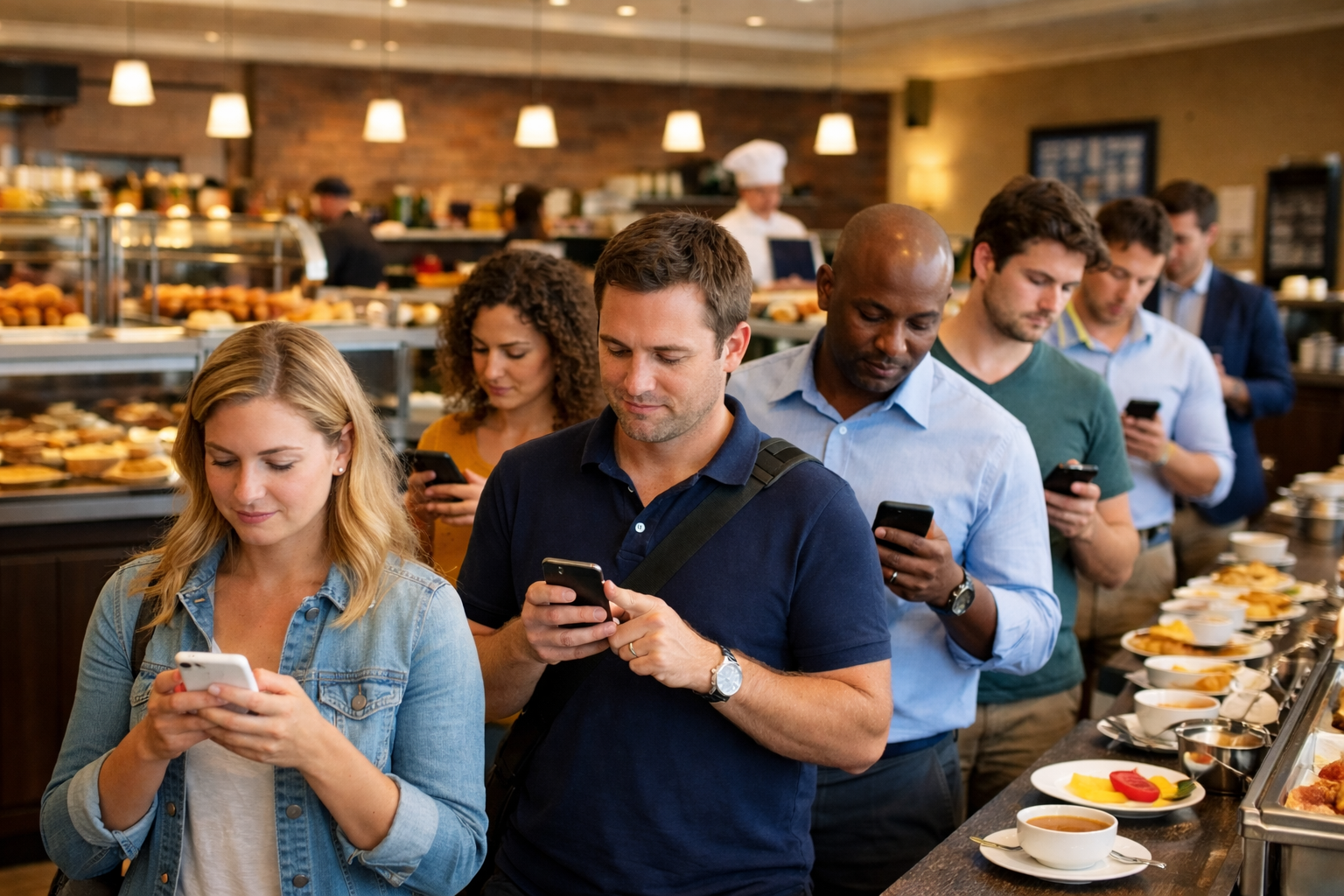

Event venues face unique connectivity challenges. Unlike hotels or restaurants with predictable occupancy patterns, events create intense bandwidth demand within short timeframes.
Conferences, exhibitions, concerts, and corporate gatherings often bring hundreds or thousands of connected devices into a single space. Attendees stream sessions, upload media, use event apps, and access cloud platforms simultaneously. Without proper planning, networks quickly become overloaded.
High-density Wi-Fi design starts with strategic access point placement. Simply adding more hardware doesn’t solve congestion — careful signal planning prevents interference and ensures balanced coverage. Band steering, load balancing, and traffic shaping are essential to maintain performance during peak usage.
Bandwidth allocation must also be carefully managed. Separate networks for guests, staff, vendors, and production teams prevent operational disruption. Prioritising critical services ensures ticketing systems, streaming equipment, and internal communications remain stable.
Security plays a major role as well. Events attract diverse users and temporary connections. Secure authentication, network segmentation, and monitoring protect both venue systems and attendee data.
Another crucial element is scalability. Event schedules vary, so networks must adapt quickly. Cloud-managed systems allow real-time adjustments to bandwidth distribution and performance monitoring.
Ultimately, successful event connectivity is invisible. When attendees can share, stream, and interact without delays, the technology disappears into the background — allowing the event experience to take centre stage.
For hospitality and leisure venues hosting regular events, investing in a properly engineered network is not optional. It’s foundational to delivering professional, seamless experiences.