
The First Line of Defense in Hospitality Technology
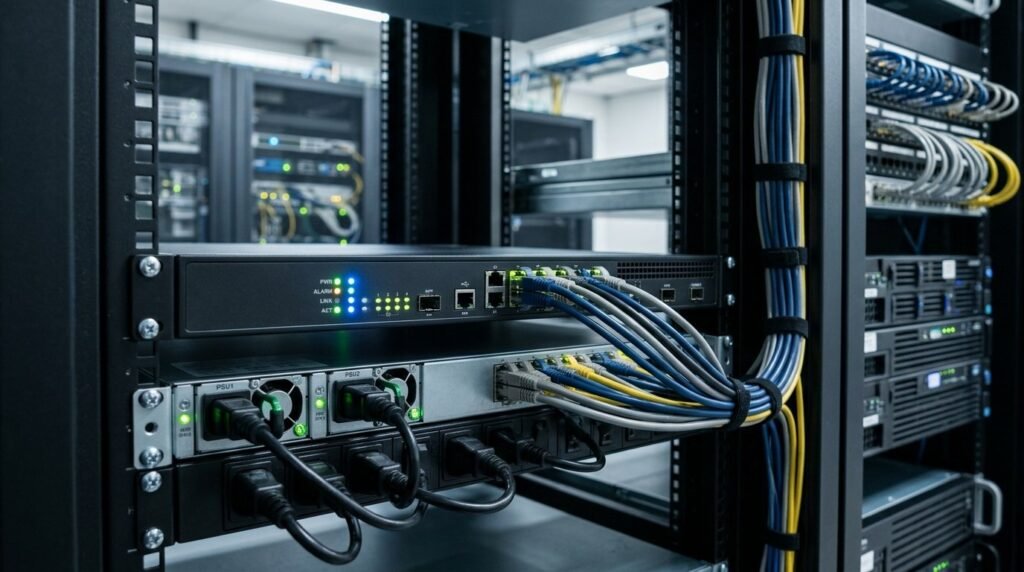
To many venue owners, a firewall is simply a black box sitting inside the comms cabinet between the internet modem and the rest of the building. However, in an enterprise hospitality setting, a firewall is the intelligent security gatekeeper responsible for inspecting, filtering, and securing every single byte of data entering or leaving your venue.
Without an enterprise firewall, your internal systems—such as your Property Management System (PMS), Electronic Point of Sale (EPOS) card terminals, back-office payroll computers, and CCTV recorders—are directly exposed to potential threat actors and malicious scripts scanning the public internet.
Why Hospitality Venues Face Unique Risks
Hotels and venues deliberately welcome thousands of unknown, untrusted devices onto their networks every month. An enterprise Next-Generation Firewall (NGFW) ensures that guest devices are strictly sandboxed and physically incapable of communicating with your sensitive operational systems.
Core Capabilities of Modern Next-Generation Firewalls (NGFW)
- Stateful Packet & Deep Packet Inspection (DPI): Modern firewalls do not just look at port numbers; they analyze the payload of the traffic to detect encrypted malware, illicit botnet traffic, and suspicious file transfers in real time.
- Network Segmentation & Micro-Isolation: By establishing rigid firewall policies between VLANs, guest Wi-Fi devices cannot ping or access payment terminals, staff laptops, or hotel server databases.
- Application-Aware Traffic Shaping: Limit bandwidth for bandwidth-intensive peer-to-peer applications or streaming platforms during peak dinner hours to prioritize mission-critical EPOS transactions and VoIP calls.
- Intrusion Prevention System (IPS): Actively blocks automated vulnerability exploits, brute-force login attempts against administrative portals, and known ransomware signatures before they reach local devices.
- Secure Site-to-Site & Remote Access VPN: Enables head-office management and remote maintenance engineers to securely administer systems without exposing management ports to the open internet.