Blog

Blog

The Hidden Cost of Poor Cable Management

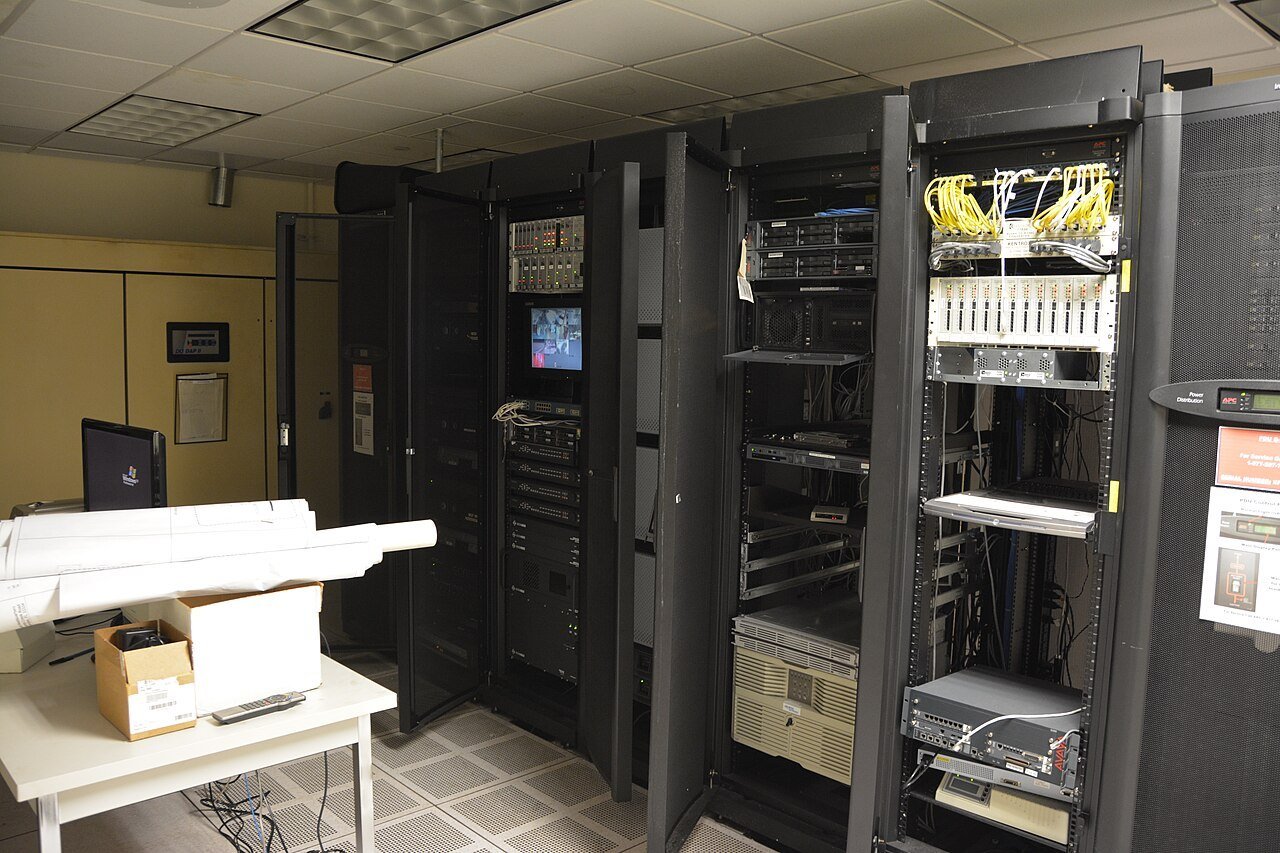
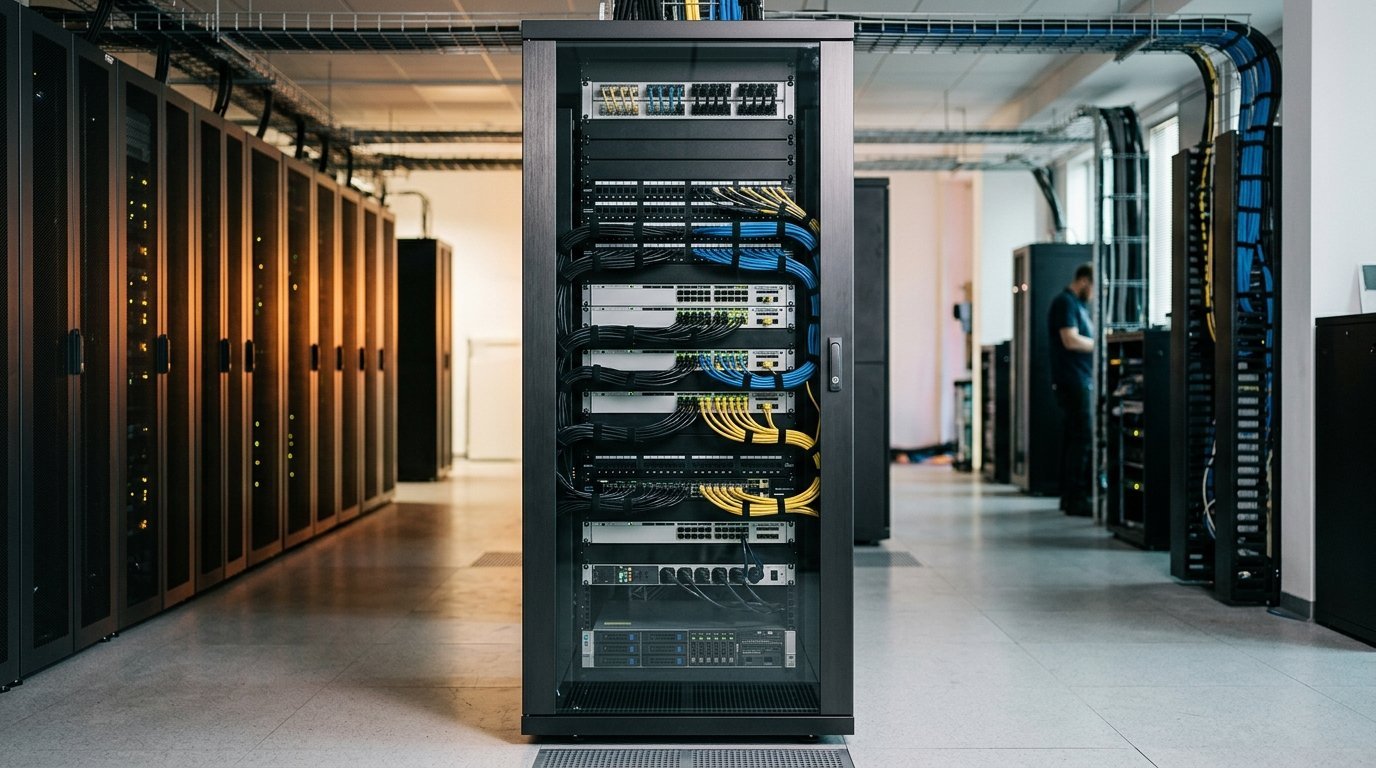
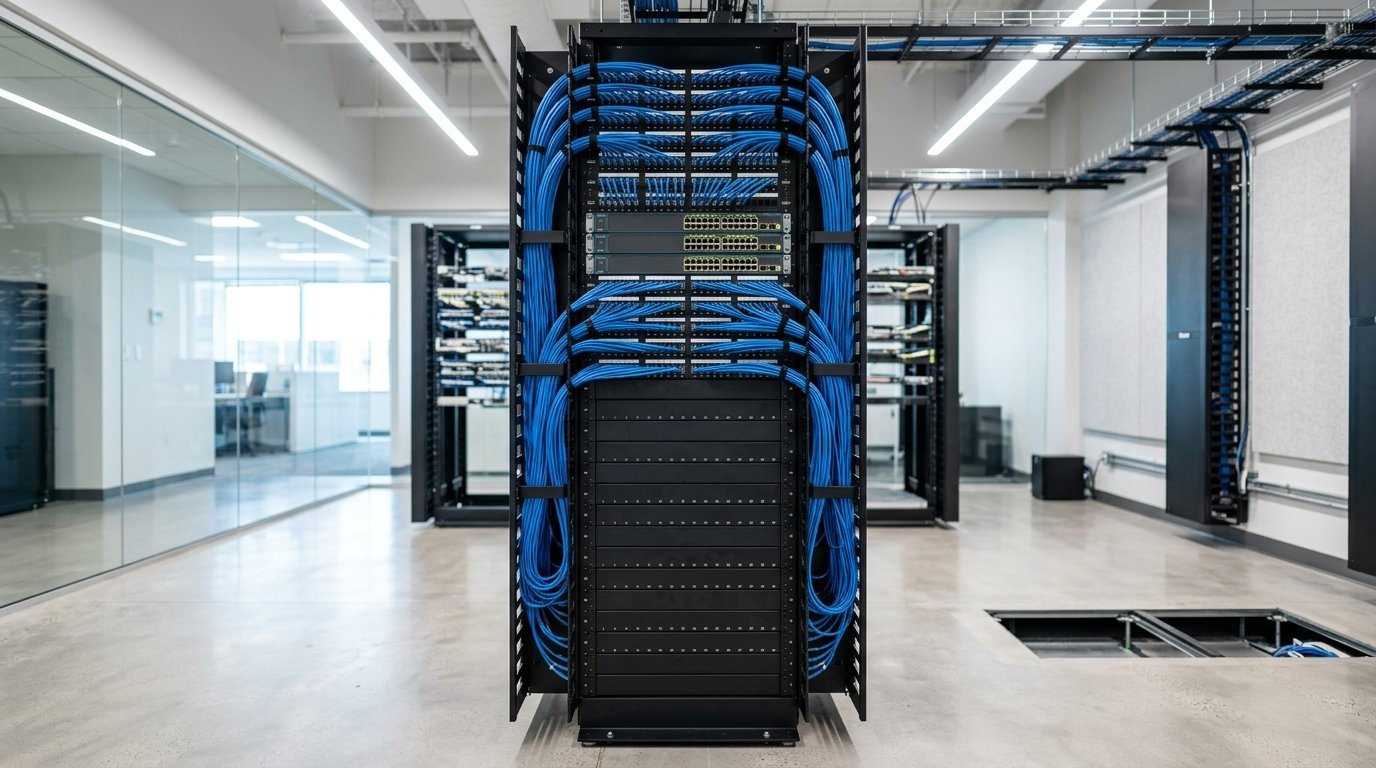
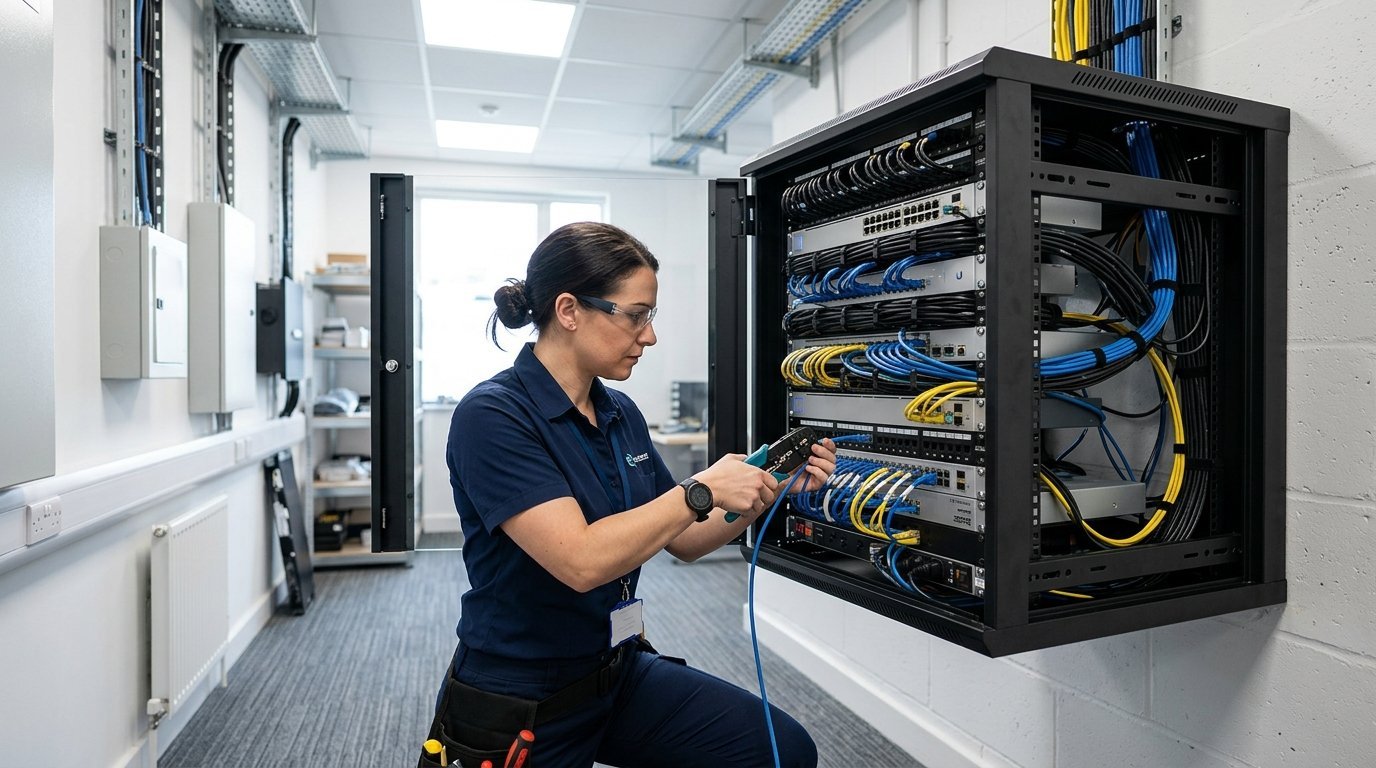
Untangling the ‘Spaghetti Cabinet’ Problem Almost everyone in hospitality management has witnessed it at some point: an unorganized communications cabinet where brightly colored patch leads form an impenetrable, tangled bird’s nest over switch faces. Often, it begins innocently—an engineer in a rush plugs in a temporary cable, then another, until years later the cabinet becomes virtually unmanageable. While some treat messy cabling as merely an aesthetic flaw, messy cable management carries severe, quantifiable financial and operational costs for venues. The Downtime Multiplier During an urgent network outage—such as when an EPOS terminal or reception desk loses connectivity during Saturday night
Read More
Blog

Planning for Growth: Avoiding the Need for Additional Cabinets

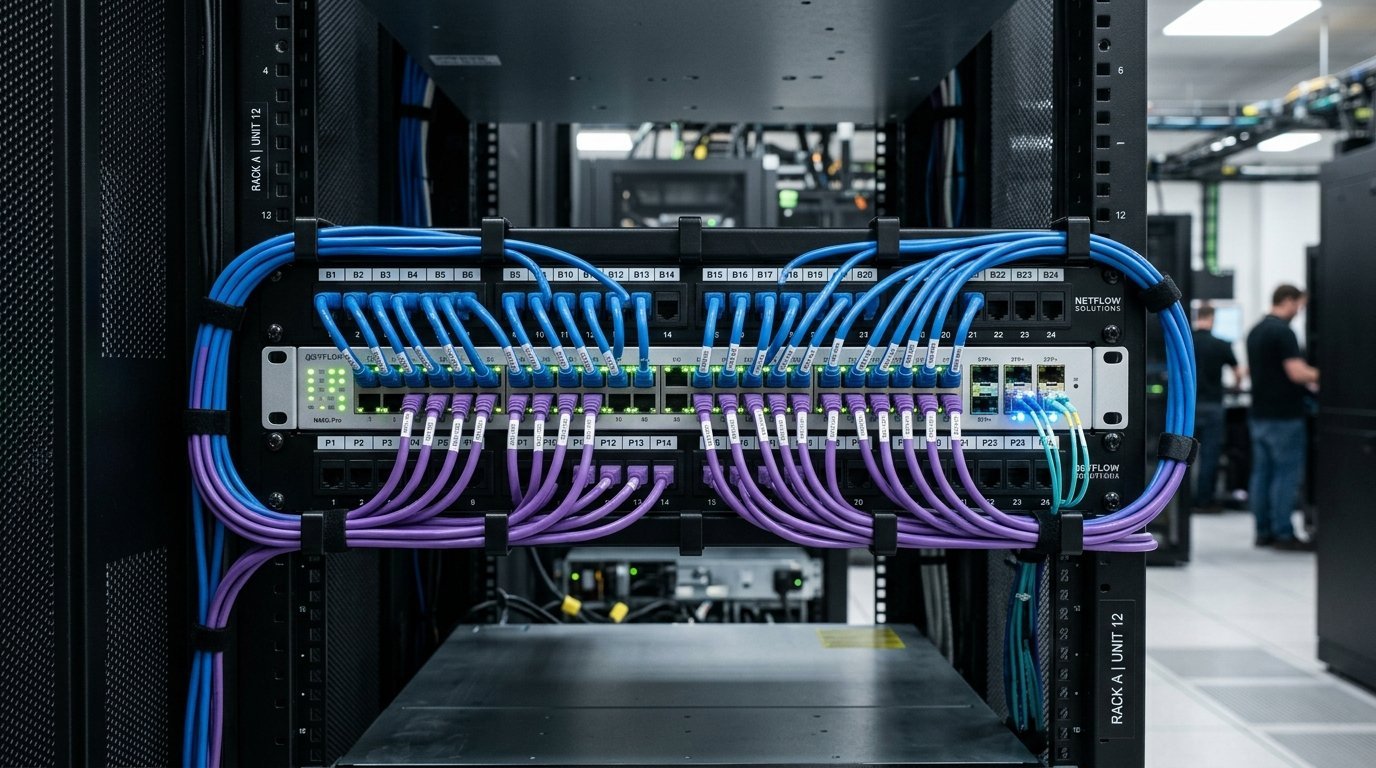
Maximizing Rack Density in Limited Back-Office Real Estate Back-office space in hotels, boutique inns, and restaurants is always at a premium. Space allocated to IT equipment is space that cannot be used for guest amenities, housekeeping storage, or food and beverage operations. Installing multiple fragmented wall cabinets scattered across storage rooms leads to administrative complexity and escalating installation costs. By applying modern high-density rack engineering principles during the planning phase, operators can comfortably support significant future technology additions within a single consolidated enclosure. Select 42U Floor Racks Over Multiple Small Wall Boxes Where comms room floor space allows, installing a

Read More
Blog

Why Access and Maintenance Should Be Considered at Design Stage

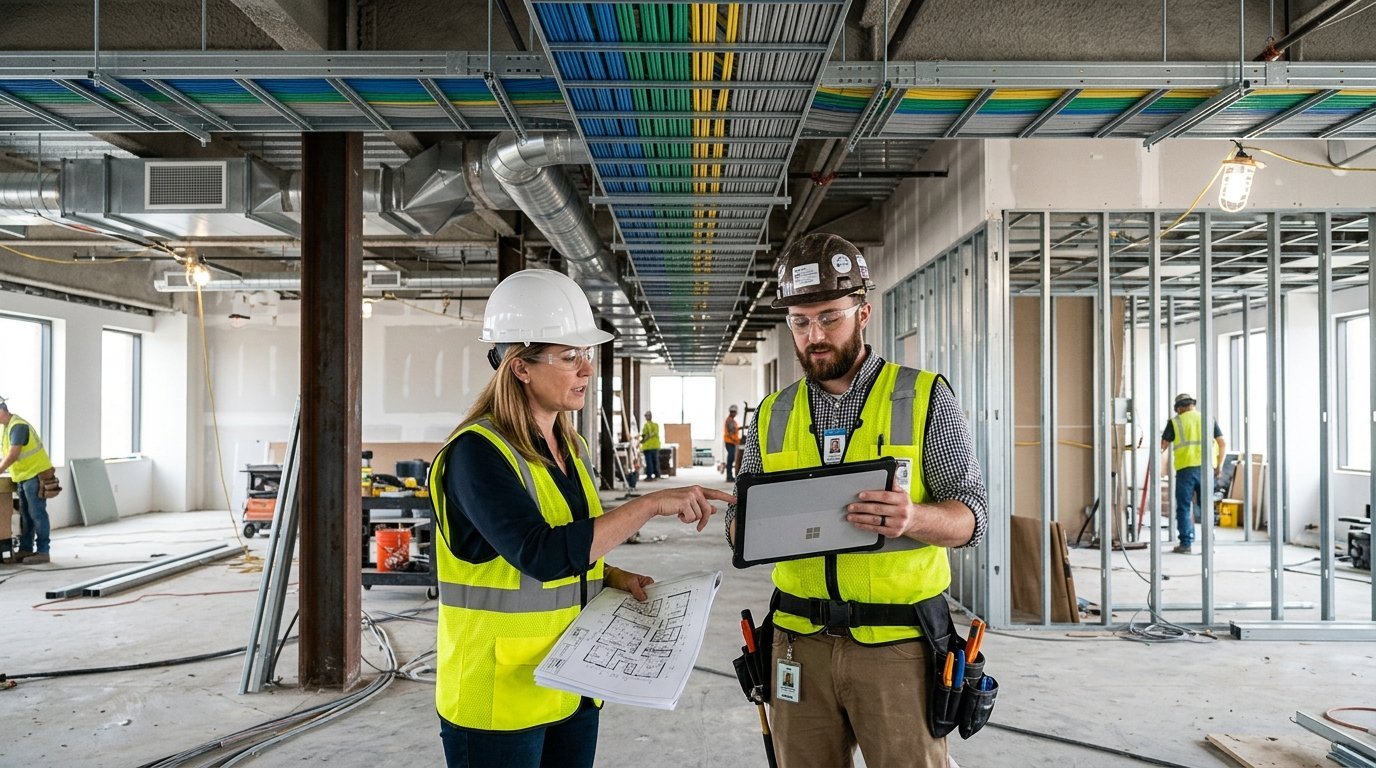
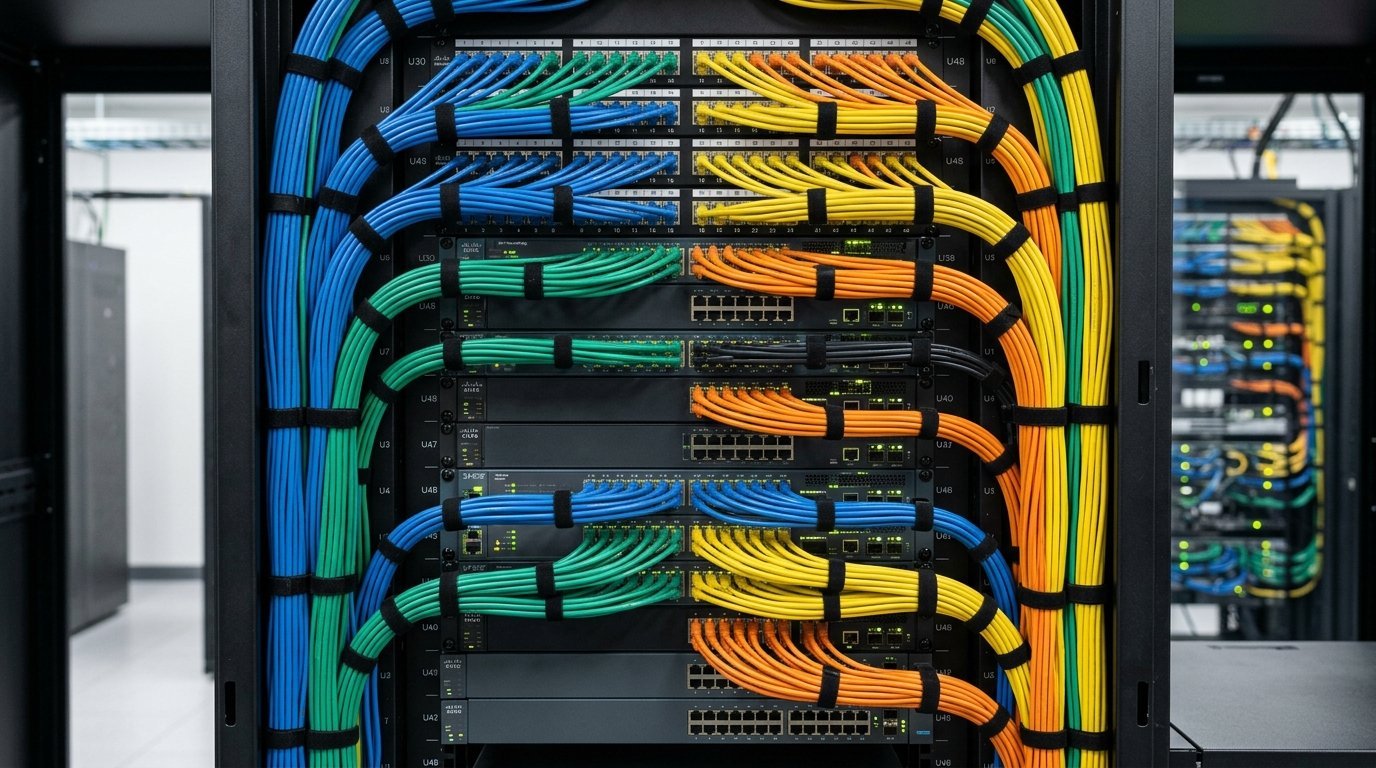
Designing for the Human Who Has to Service It Architects and interior designers naturally focus on guest-facing spaces—lobbies, restaurants, and guest suites. Communications cabinets and servers are frequently relegated to whatever awkward leftover alcoves remain: tight corners under stairs, crawlspaces above ceilings, or behind heavy laundry machinery. However, when network maintenance, emergency repairs, or scheduled hardware upgrades must take place, poor physical access transforms a 15-minute maintenance task into an expensive, disruptive logistical challenge. The 1-Meter Clear Working Zone Industry standards (BS EN 50174 & TIA-569) specify a minimum of 800mm to 1000mm of unobstructed clearance in front of and

Read More
Blog

Common Mistakes in Small Comms Rooms

Avoiding Costly Pitfalls in Hospitality Comms Cupboards In smaller hotels, guest houses, and high-street bars, the “comms room” is often a small under-stair cupboard or converted storage space. While space limitations are understandable, neglecting basic environmental and operational standards in these micro comms rooms frequently leads to premature equipment failure and catastrophic network outages. Here are the five most prevalent comms room mistakes observed across UK hospitality venues and how to rectify them. Mistake #1: The ‘Dual-Use’ Storage Closet The single most common error is allowing the comms room to double as a general storage cupboard for mops, cleaning chemicals,

Read More
Blog

Cat6 vs Cat6A: Which Should You Choose?

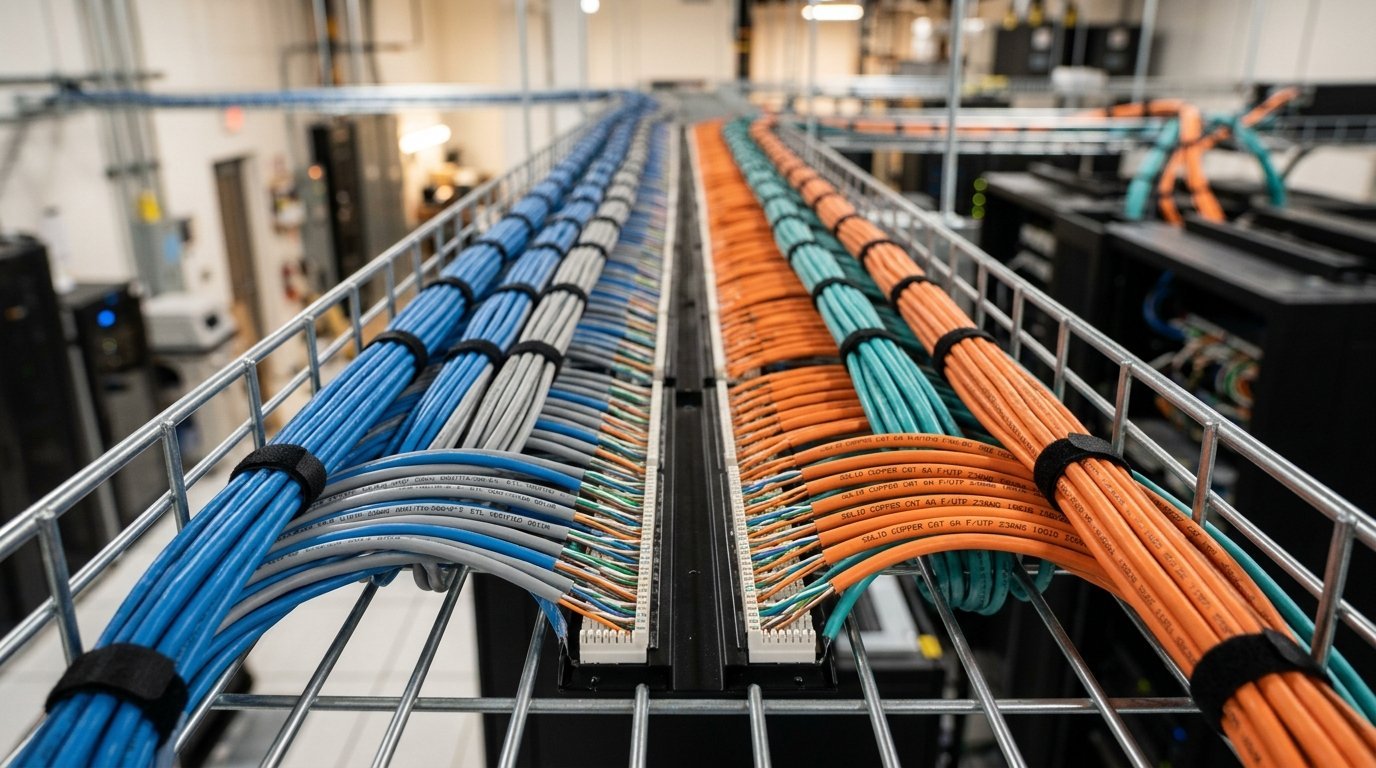
Making the Right Structured Cabling Investment Structured cabling is the absolute physical foundation of your property’s technology infrastructure. While wireless standards change every 3–4 years and switch hardware is refreshed every 5–7 years, structured copper cabling is expected to remain in ceilings, wall cavities, and risers for 15 to 20 years. When planning a hotel refurbishment or new venue fit-out, one of the most pivotal technical decisions is choosing between Category 6 (Cat6) and Category 6A (Cat6A). Understanding the physical and performance distinctions ensures you don’t compromise future capabilities to save minor upfront costs. The 10-Gigabit Distance Rule Both Cat6

Read More
Blog

Planning Network Infrastructure for Future Growth

Building Infrastructure That Outlasts Technology Trends One of the costliest errors in hospitality property development is designing a network solely to meet today’s immediate device count. With the proliferation of IoT environmental controls, mobile digital key locks, staff panic buttons, robotic vacuum cleaners, and high-definition casting screens, the number of networked endpoints in hospitality doubles every few years. Re-opening ceilings and tearing down finished walls to run extra cables after a hotel is operational disrupts guests, causes room out-of-order losses, and costs up to 500% more than installing extra capacity during the initial fit-out stage. The 25% Spare Capacity Golden

Read More
Blog

Copper vs Fibre: Understanding the Differences

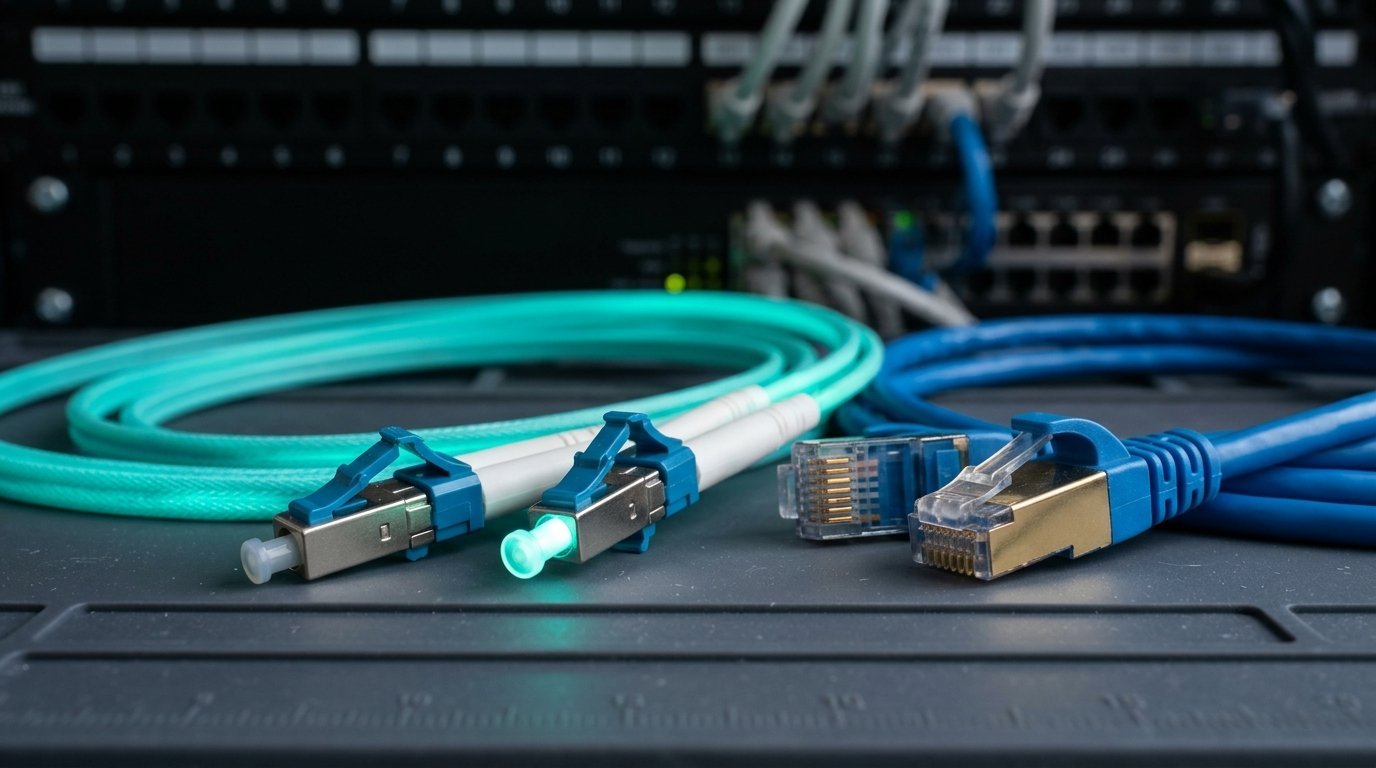
Light vs Electricity: Demystifying Physical Transmission Media Modern enterprise networks rely on a harmonious combination of copper twisted-pair cables and optical fibre links. However, determining which medium should be installed in specific areas of a hotel, resort campus, or event venue requires an understanding of their fundamental physical principles. While copper transmits data via electrical impulses over metallic conductors, fibre optics utilizes microscopic strands of pure glass to transmit data pulses as light. This fundamental difference governs their performance regarding distance, bandwidth, and environmental immunity. The 100-Meter Copper Boundary Standard Ethernet over copper (Cat5e, Cat6, Cat6A) has a hard physical

Read More
Blog

Why Comms Cabinets Matter More Than You Think

The Unsung Heart of Property Technology To the untrained eye, a communications cabinet is simply a metal box mounted on a wall or sitting in a locked basement room. In reality, it houses the complete digital nervous system of your entire property—switches, firewalls, routers, telephony gateways, CCTV recording servers, and UPS battery backup systems. A well-engineered comms cabinet ensures equipment longevity, pristine operational uptime, strict data security compliance, and effortless maintenance troubleshooting. Physical Security is a Legal Requirement Under PCI-DSS (Payment Card Industry Data Security Standard) and UK GDPR, any network cabinet housing systems that process card payments or guest

Read More
Blog

Why Poor Switching Is Often Mistaken for Poor Wi-Fi

The Wireless Paradox: When the Radio is Not the Problem In hospitality venues and multi-tenant properties, guest complaints about “terrible Wi-Fi” almost universally trigger a call to replace wireless access points (APs). Hotel managers observe spinning loading wheels, dropped Zoom calls, or sluggish streaming and assume that the wireless signal strength is inadequate. Yet in our network diagnostics across UK hotels, the root cause in over 60% of cases is not the wireless radio spectrum at all—it is an antiquated, congested, or misconfigured switching infrastructure operating behind the scenes. Key Infrastructure Takeaway Wi-Fi access points are essentially radio bridges. If

Read More
Blog

Understanding Network Bottlenecks

Diagnosing Where Latency and Throughput Hide in Hotel Networks A hospitality network is a chain of interconnected technologies: ISP fibre connections, perimeter firewalls, core switches, structured horizontal cabling, edge switches, and wireless access points. Like any chain, overall performance is strictly dictated by the weakest single link. When guests encounter buffering or venue operators notice sluggish EPOS transactions during busy evening dinner services, locating the precise bottleneck is essential for targeted, cost-effective remediation. The Myth of Just ‘Buying More Bandwidth’ Many venue operators attempt to solve network slowness by upgrading their leased line from 200Mbps to 1Gbps. However, if the

Read More