Problems

Blog

The Hidden Cost of Poor Cable Management

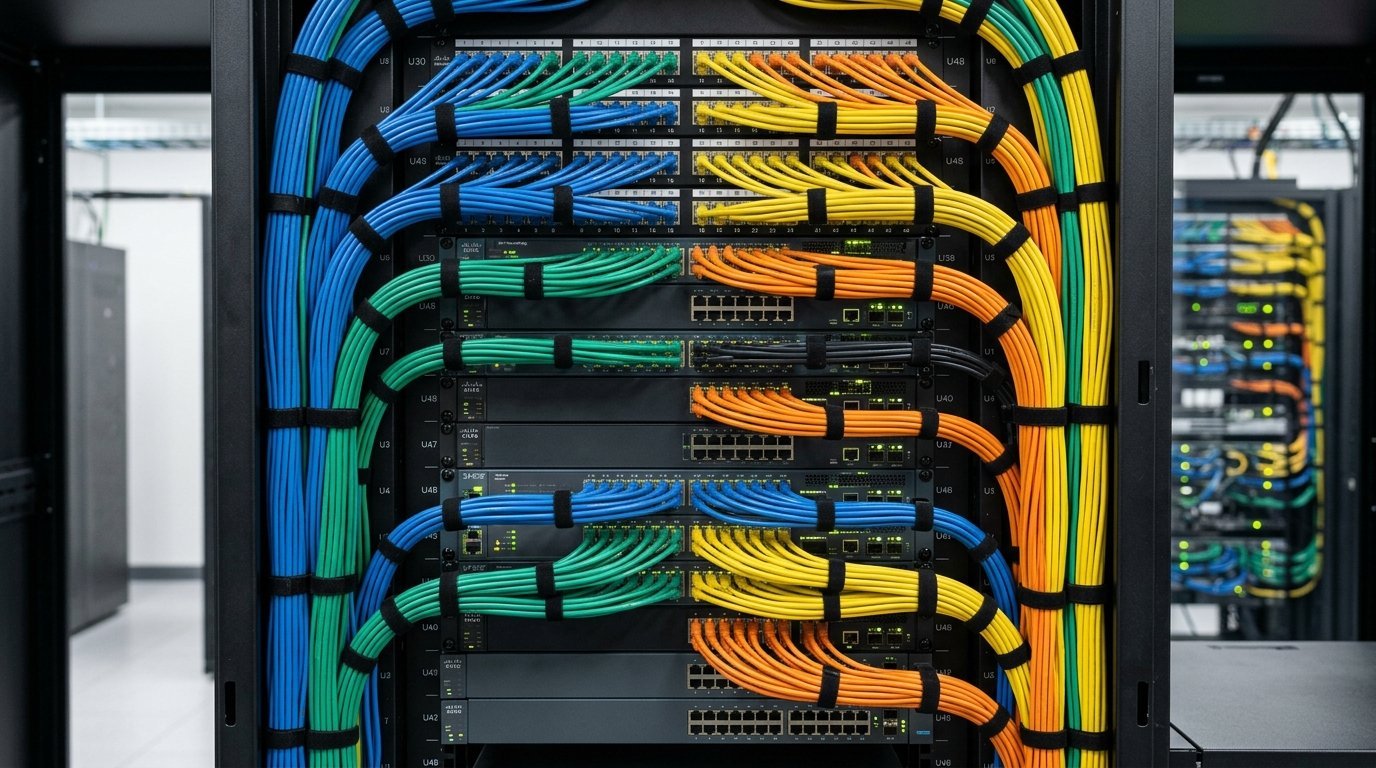
Untangling the ‘Spaghetti Cabinet’ Problem Almost everyone in hospitality management has witnessed it at some point: an unorganized communications cabinet where brightly colored patch leads form an impenetrable, tangled bird’s nest over switch faces. Often, it begins innocently—an engineer in a rush plugs in a temporary cable, then another, until years later the cabinet becomes virtually unmanageable. While some treat messy cabling as merely an aesthetic flaw, messy cable management carries severe, quantifiable financial and operational costs for venues. The Downtime Multiplier During an urgent network outage—such as when an EPOS terminal or reception desk loses connectivity during Saturday night
Read More
Blog

Common Mistakes in Small Comms Rooms

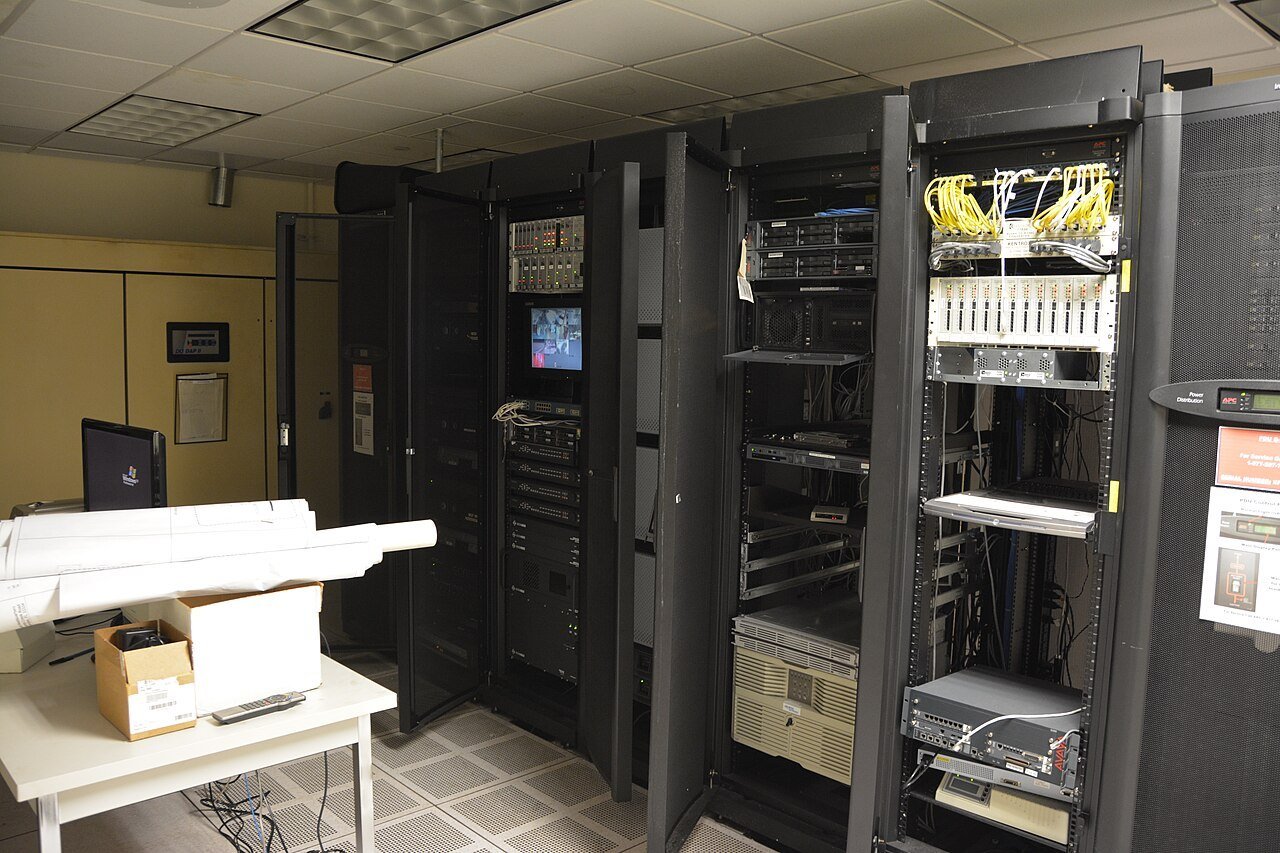
Avoiding Costly Pitfalls in Hospitality Comms Cupboards In smaller hotels, guest houses, and high-street bars, the “comms room” is often a small under-stair cupboard or converted storage space. While space limitations are understandable, neglecting basic environmental and operational standards in these micro comms rooms frequently leads to premature equipment failure and catastrophic network outages. Here are the five most prevalent comms room mistakes observed across UK hospitality venues and how to rectify them. Mistake #1: The ‘Dual-Use’ Storage Closet The single most common error is allowing the comms room to double as a general storage cupboard for mops, cleaning chemicals,

Read More
Blog

Why Poor Switching Is Often Mistaken for Poor Wi-Fi

The Wireless Paradox: When the Radio is Not the Problem In hospitality venues and multi-tenant properties, guest complaints about “terrible Wi-Fi” almost universally trigger a call to replace wireless access points (APs). Hotel managers observe spinning loading wheels, dropped Zoom calls, or sluggish streaming and assume that the wireless signal strength is inadequate. Yet in our network diagnostics across UK hotels, the root cause in over 60% of cases is not the wireless radio spectrum at all—it is an antiquated, congested, or misconfigured switching infrastructure operating behind the scenes. Key Infrastructure Takeaway Wi-Fi access points are essentially radio bridges. If

Read More
Blog

Understanding Network Bottlenecks

Diagnosing Where Latency and Throughput Hide in Hotel Networks A hospitality network is a chain of interconnected technologies: ISP fibre connections, perimeter firewalls, core switches, structured horizontal cabling, edge switches, and wireless access points. Like any chain, overall performance is strictly dictated by the weakest single link. When guests encounter buffering or venue operators notice sluggish EPOS transactions during busy evening dinner services, locating the precise bottleneck is essential for targeted, cost-effective remediation. The Myth of Just ‘Buying More Bandwidth’ Many venue operators attempt to solve network slowness by upgrading their leased line from 200Mbps to 1Gbps. However, if the

Read More
Blog

Common Cyber Threats Facing Hospitality Businesses

Why the Hospitality Sector is a Prime Cyber Target The UK hospitality industry handles an immense volume of valuable personal and financial data on a daily basis: guest payment cards, passport numbers, home addresses, corporate booking details, and real-time occupancy records. Combined with high staff turnover, decentralized operations, and open guest Wi-Fi networks, hotels and restaurants represent an exceptionally attractive target for cyber criminals. Understanding the most prevalent attack vectors is the first step toward implementing an effective defense-in-depth cybersecurity posture. The Cost of a Breach Beyond catastrophic reputational damage, the UK Information Commissioner’s Office (ICO) enforces stringent GDPR fines

Read More